⌂ Home/Explore the Region
EXPLORE POLAND, LOWER SILESIA & WROCŁAW

Your future home
in the heart of Europe

Discover the place where your next chapter begins

Wrocław at a glance

The capital of Lower Silesia, one of Poland’s most dynamic regions.
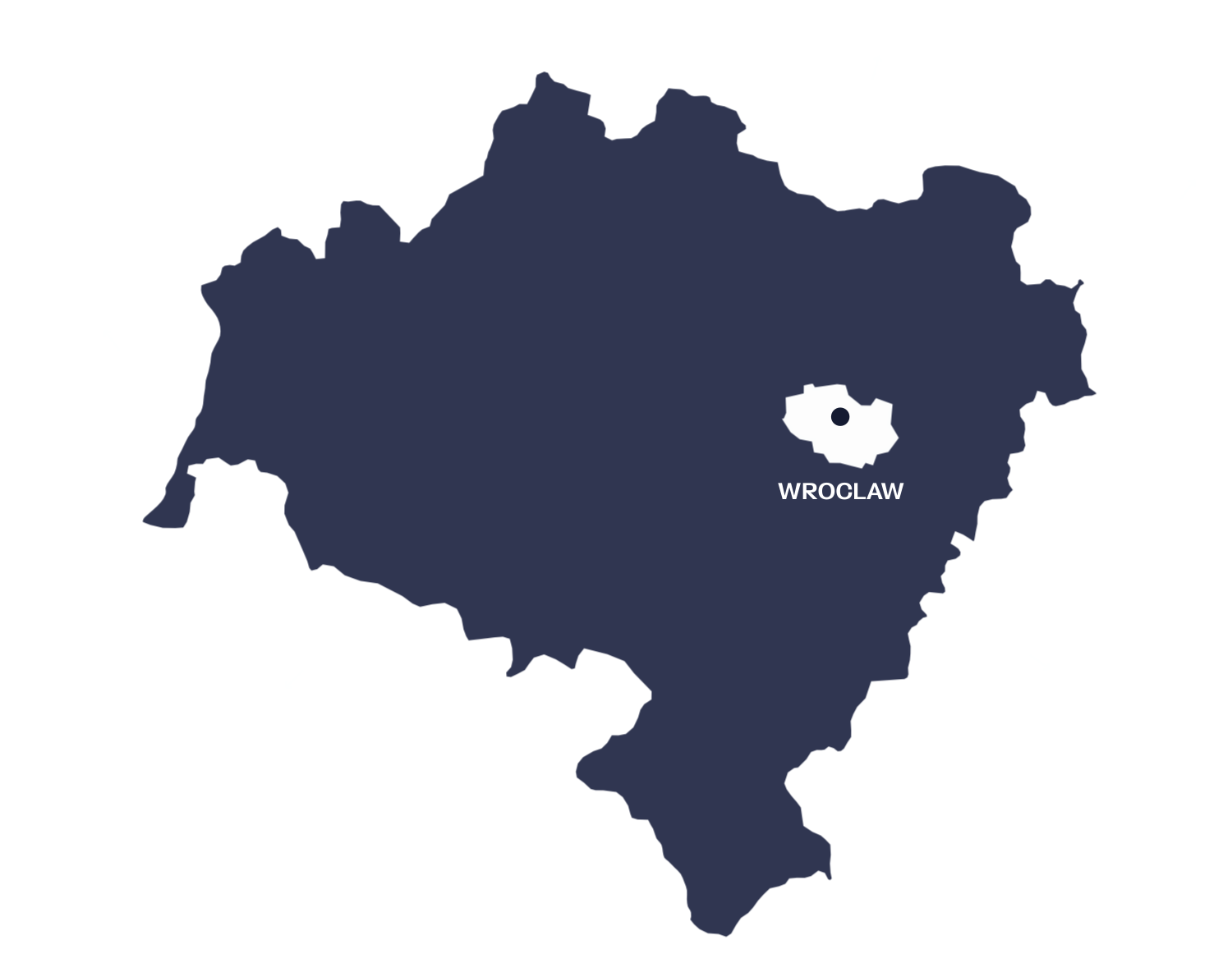
4thbiggest Polish city
670K+residents
100K+students
1000+dwarfs across the city
100+bridges and footbridges
3h awayfrom Prague, Berlin & Warsaw
Map of Poland and neighbouring countries

One of Poland’s leading student cities
Wrocław
A City with character

Often called the “Venice of Poland”, Wrocław is built around the Oder River, with over 100 bridges and 12 islands shaping its unique urban landscape. The city is known to be one of the warmest major cities in Poland. Wrocław is also consistently ranked among Poland’s most desirable places to live. In a nationwide study, it was the city most frequently chosen by Poles as a place where they would like to move, praised for its quality of life, greenery, safety and opportunities for personal and professional development.

Gateway to Europe

Thanks to its central location in Europe, Wrocław has excellent connections to Poland and neighbouring countries. Wrocław Airport, international rail links, highways and bus connections make travelling around Europe (and not only) easy, fast and convenient.

Innovation & Development

Lower Silesia is one of Poland’s fastest-growing regions with Wrocław as an important centre for international business, technology and research. Its economy is built on advanced manufacturing, IT, logistics, automotive, electronics and modern services. Wrocław and Lower Silesia are also strong centres for research and development, with cooperation between universities and international companies. The region attracts companies such as Google, HP Inc., Nokia, LG Energy Solution and Toyota Motor Corporation and much more, creating many opportunities for international students.

Somewhere between quiet lakes, endless forests and lively city streets lies a Poland you may never have imagined.

A place full of contrasts, untold stories and unexpected beauty waiting to be discovered in your own way.

A region full of hidden stories

Table Mountains

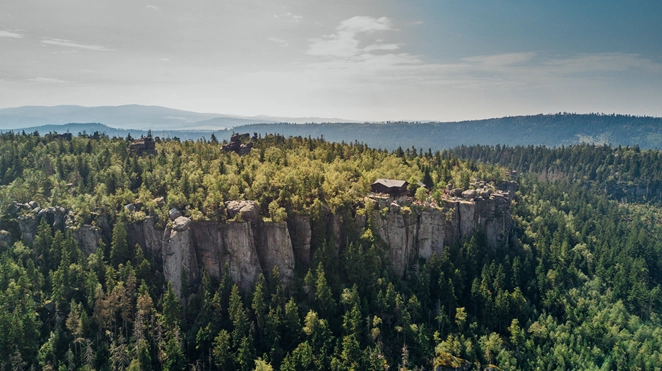
Table Mountains:

The Table Mountains (Góry Stołowe) are one of Lower Silesia’s most distinctive natural attractions, known for their unusual sandstone formations and the maze-like passages. The landscape is so extraordinary that it was used as a filming location for The Chronicles of Narnia: Prince Caspian, so yes, a little bit of movie magic can be found just a trip away from Wrocław!

Złoty Stok

Złoty Stok

Złoty Stok is a small town in Lower Silesia with a big story to tell: for centuries, it was one of Poland’s most important gold-mining centres. Today, you can explore its historic Gold Mine, venture through underground tunnels and discover a 10-metre-high waterfall hidden inside a vast rock chamber, it is often described as the only underground waterfall in Poland.

Arboretum Wojsławice

Arboretum Wojsławice

Arboretum Wojsławice, a botanical garden of the University of Wrocław located about an hour from the city, is home to thousands of plants, including one of Europe’s largest daylily collections with around 3,000 varieties. In late spring, its rhododendrons and azaleas turn the hills into a sea of colour, making it one of the most beautiful places in Lower Silesia for a day trip surrounded by nature.

Centennial Hall

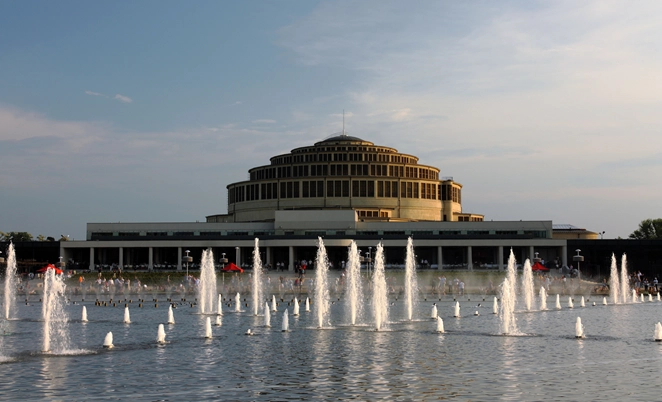
Centennial Hall

Centennial Hall (Hala Stulecia) is one of Wrocław’s most recognisable landmarks and a UNESCO World Heritage Site, built in 1913 with a dome that was the largest of its kind in the world at the time. But here’s a fun fact: you might have already seen it on screen! The hall appeared in The Hunger Games: The Ballad of Songbirds & Snakes, where its impressive interior became part of the world of Panem.

Karkonosze National Park

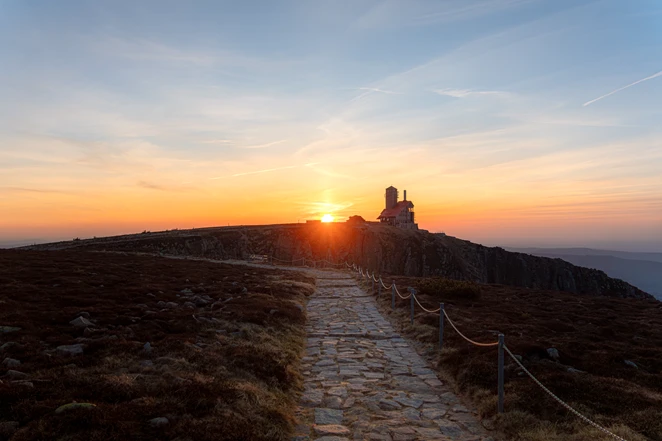
Karkonosze National Park

Karkonosze National Park is known for its beautiful mountain views, waterfalls and the famous Śnieżka peak. If you’re lucky, you might even spot a mouflon; a wild sheep with curved horns that lives in the area.

Piwnica Świdnicka

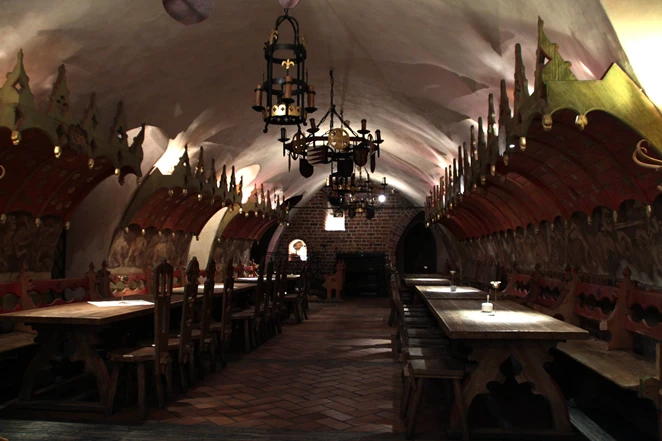
Piwnica Świdnicka

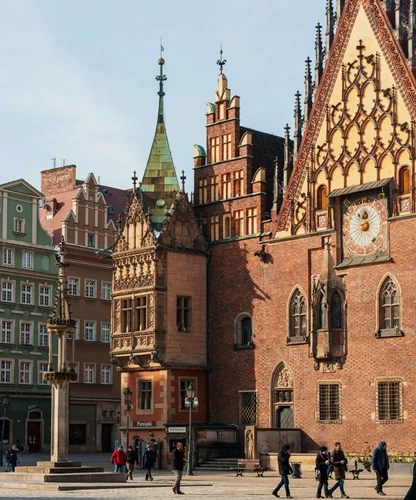
Piwnica Świdnicka is a historic restaurant hidden in the Gothic cellars beneath Wrocław’s Old Town Hall, with a history dating back to 1273. It is considered one of the oldest restaurants in Europe and has welcomed famous visitors over the centuries, including composer Frédéric Chopin and writer Johann Wolfgang von Goethe.

Churches of Peace in Świdnica and Jawor
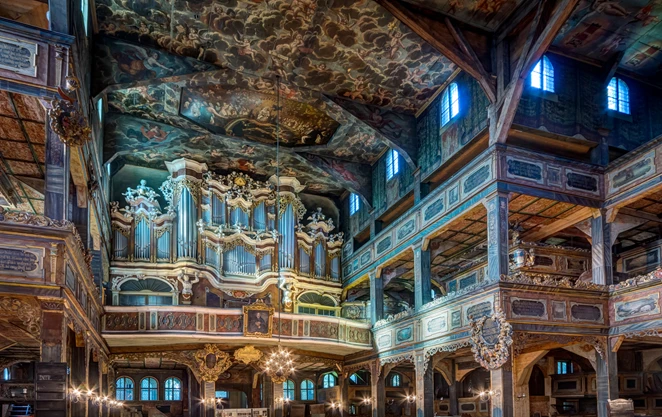
Churches of Peace in Świdnica and Jawor

The Churches of Peace in Jawor and Świdnica are two of Lower Silesia’s most surprising landmarks and UNESCO World Heritage Sites. Built over 350 years ago, they were made mainly of wood, clay and straw because Protestant communities faced strict limits on building churches. From the outside, they may look simple, but step inside and you’ll find huge wooden interiors covered in paintings and details that are hard to imagine from the outside!

The Barycz Valley

The Barycz Valley

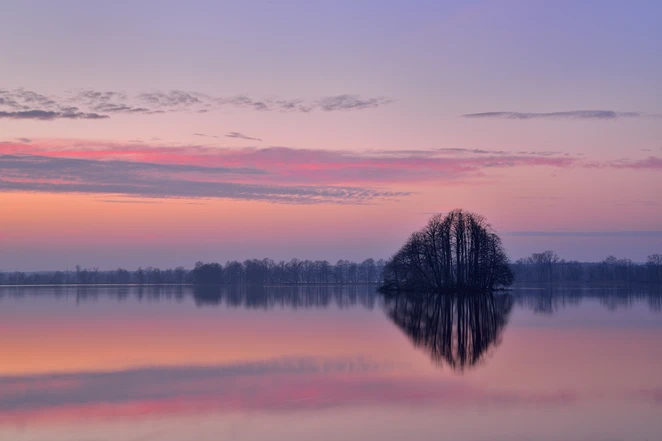
The Barycz Valley (Dolina Baryczy) is home to the largest complex of fish ponds in Europe, with a history dating back to the 13th century.Around 270 species of wetland birds can be found here, including white-tailed eagles and cranes, making it a dream spot for wildlife lovers.

Bolesławiec pottery

Bolesławiec pottery

Bolesławiec (town in Lower Silesia) is famous for its colourful, hand-decorated pottery, with patterns so recognisable that you can spot them from across the room. The bestknown designs feature little blue dots and the iconic “peacock’s eye,” applied by hand using small sponge stamps.The town’s pottery tradition goes back centuries, and today its ceramics are sold around the world.